
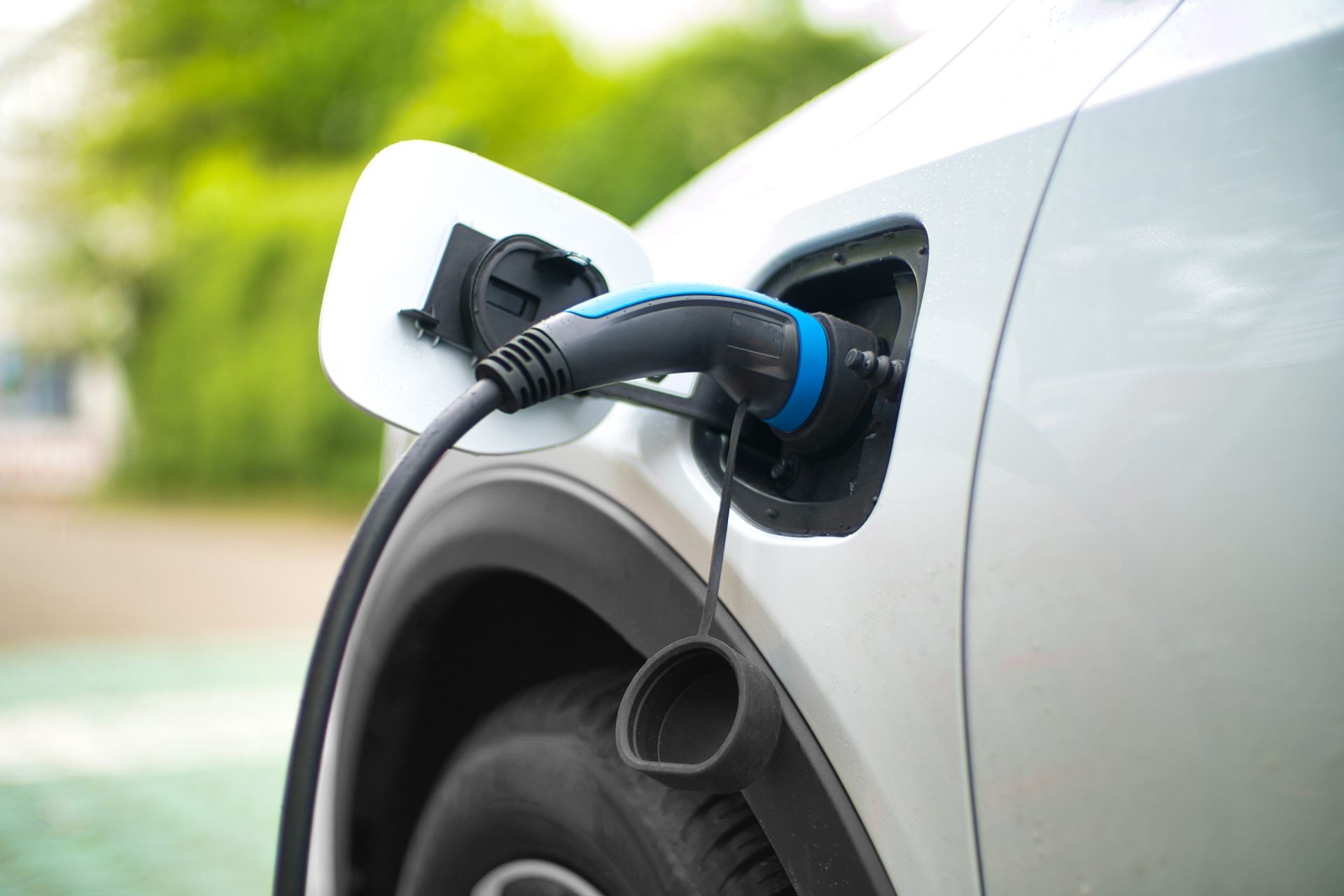
It’s great to have a convenient EV charger at your home – until something happens and it stops working. If your EV charger is not turning on to charge your vehicle or seems to be malfunctioning, give us a call to schedule an EV charger repair in Ellensburg, WA.
You can also keep reading to learn about some of the early signs that your EV charger may be struggling, as well as what to do if it stops working completely. Even if everything is okay now, knowing these signs will help you if something does go wrong with your EV charger in the future.
What Are Common Signs an EV Charger Needs Electrical Repair?
If your home EV charger isn’t working properly, here are key signs that electrical repair services may be needed:
- Charger won’t power on: A complete lack of lights or response may indicate power supply or wiring issues.
- Slow or inconsistent charging: Longer charging times or frequent charging interruptions suggest internal faults.
- Unusual noises or overheating: Buzzing sounds or a warm charger casing can point to electrical problems.
- Error codes or blinking lights: These alerts often signal system malfunctions requiring professional diagnosis.
Always contact a licensed electrician for EV charger issues, as DIY repairs can be unsafe and may void equipment warranties.
1. EV Charger Not Powering On? Troubleshooting Guide
If your EV charger won’t turn on at all, it’s fairly obvious that it’s not working. But don’t panic right away. This is a good time to try a reset to see if that helps. You can flip the breaker on your electrical panel and see if the charger works when you turn it back on again.
If the indicator lights on your EV charger won’t turn on or the charger still doesn’t respond when you plug it in, our team needs to troubleshoot it. Issues with the power supply, wiring, or even the circuit breaker may be causing the problem.
2. Slow or Inconsistent EV Charging: What’s Causing It?
After using your electric vehicle for a while, you should have a good idea of how long it takes to charge. Monitor the charging time to easily identify when it takes longer than usual. Also, consider it a red flag if your EV charger stops and starts repeatedly during a charge.
You can check for signs of external damage to the charging cable because that can also indicate internal damage. It’s also possible components are getting too hot, and the charger is turning off to cool down as a safety precaution. Call our team as soon as you notice something is wrong so we can fix it before it worsens.
3. Overheating or Noisy EV Charger? Know the Risks
An EV charger should operate fairly quietly without any obvious sounds, and any sounds you hear should be more like white noise. The charger should also be cool if you try to touch it. Noticing that your EV charger is warm or hot to the touch when your vehicle is charging is a red flag.
If you hear the EV charger buzzing, clicking, or humming while your vehicle is charging, the connection may be loose, or there may be an electrical problem. These sounds may not be loud or obvious, but they are concerning.
4. What EV Charger Error Messages and Light Codes Mean
Many residential EV chargers have a built-in feature that helps diagnose any issues by displaying an error code. Others have blinking indicator lights that signal when something goes wrong. If you notice either of these on your charger or see an unfamiliar error message, check the manufacturer’s manual to see if you can determine what the issue is.
Don’t try to troubleshoot on your own though. Aside from a simple reset to see if the problem gets fixed, you shouldn’t try to fix anything, as doing so could wind up causing more damage. Instead, call us to help with your EV charger, no matter what the issue is.
Frequently Asked Questions
Question: What are the common signs that an EV charger needs repair?
Answer: Common signs include the charger not powering on, charging taking much longer than usual or stopping and starting repeatedly, unusual noises or overheating during charging, and error messages or blinking lights indicating a fault.
Question: What should I do if my EV charger won’t turn on?
Answer: First, try resetting the breaker on your electrical panel. If indicator lights still don’t come on or it won’t charge your vehicle after a reset, wiring issues, power supply problems, or internal faults may require professional troubleshooting.
Question: Why is slow or inconsistent charging a concern?
Answer: If charging takes longer than normal or stops and starts, it could indicate damage to the charging cable, overheating components, or internal electrical problems. It’s best to have a technician check it before the issue worsens.
Question: What do unusual noises or overheating mean?
Answer: EV chargers should run quietly and stay relatively cool. Buzzing, clicking, humming, or excessive heat while charging can suggest loose connections, internal faults, or electrical issues that need professional attention.
Question: How should I respond to error lights or blinking indicators on my charger?
Answer: Error codes or blinking lights are built‑in diagnostics showing something isn’t working properly. Consult your charger’s manual for the meaning, but it’s safest to stop using the charger and have a qualified technician diagnose and repair the problem.
Contact ThermAll Heating & Cooling, Inc: We are “Your Home Comfort Hero!”