
Your electrical panel is the heart of your home’s electrical system. It distributes power to every outlet, light, appliance, and device you use every day. But many homeowners don’t realize that their panel has limits—and once those limits are reached, the system can no longer operate safely or efficiently.
In Yakima, where many homes still rely on older electrical panels, it’s especially important to understand how panel capacity works and how to recognize when it’s time for an upgrade. Doing so helps prevent electrical hazards and keeps your home running smoothly. Homeowners researching how much to replace electrical panel costs often discover that upgrading early can avoid more serious electrical problems later.
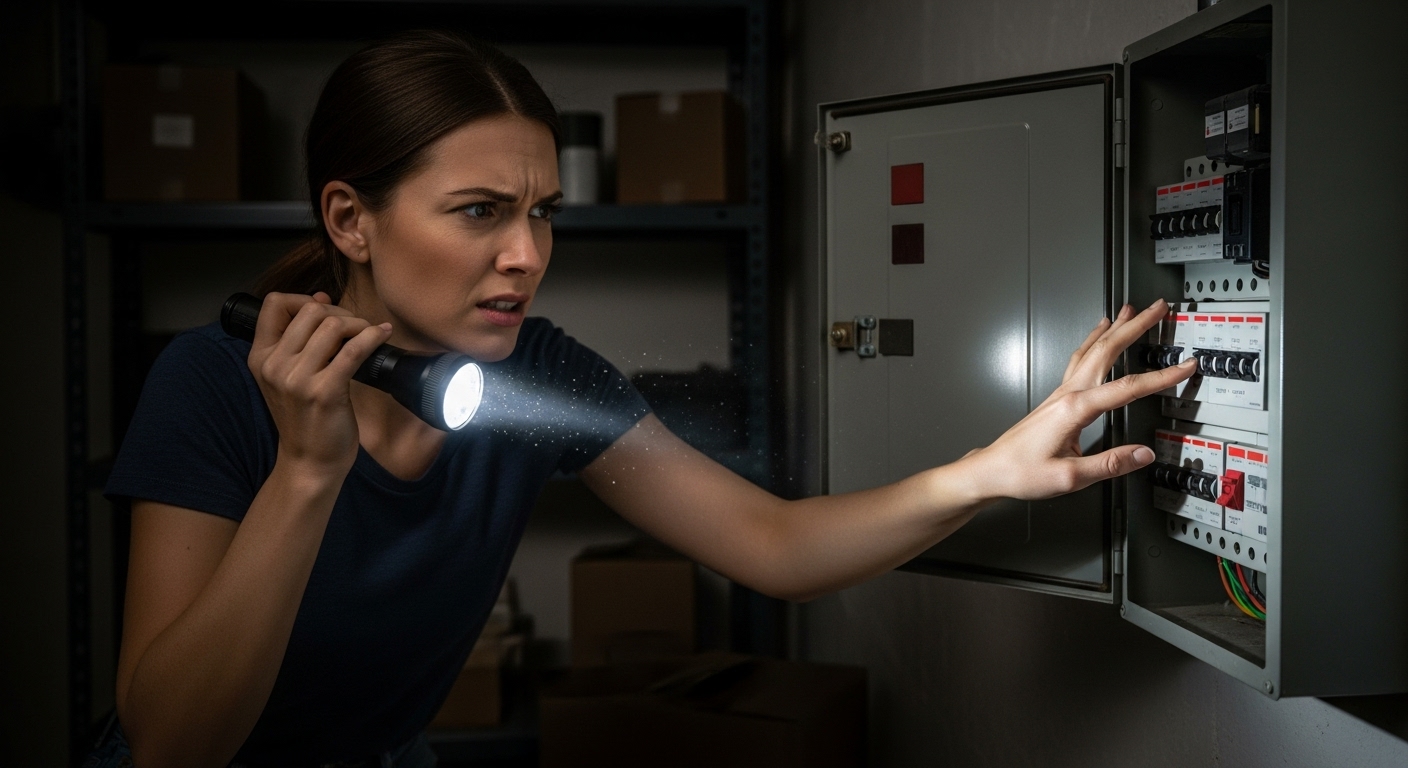
What Is Electrical Panel Capacity and Why Does It Matter?
Your electrical panel’s capacity is measured in amps, which represent the amount of electrical current it can safely handle at one time. A few decades ago, 60- or 100-amp panels were the norm. But today’s households use significantly more electricity due to:
- Larger HVAC systems
- High-efficiency appliances
- Home offices and electronics
- Electric vehicle chargers
- Smart home technology
If your Yakima home has an outdated panel, it may struggle to keep up with these increased demands.
Signs Your Electrical Panel Is Undersized or Outdated
An electrical panel that can’t handle your home’s power needs will often give you warning signs. If you notice any of the following issues, it may be time to consider an upgrade:
1. Frequently Tripped Breakers
Breakers trip when circuits become overloaded. If this happens regularly, your panel might not have enough capacity to support your home’s electrical load.
2. Flickering or Dimming Lights
Lights that dim when appliances turn on—such as a microwave, dishwasher, or air conditioner—may signal an overstressed electrical system.
3. Limited Outlets or Heavy Use of Power Strips
If you’re relying on extension cords or power strips to make up for limited outlet availability, your panel may not be equipped to support modern power needs.
4. Warm or Buzzing Electrical Panel
Heat, buzzing, or crackling noises from the panel area suggest that the system may be overloaded or deteriorating.
5. Appliances Struggling for Power
HVAC equipment, ovens, or washers may operate inconsistently if they aren’t receiving adequate electrical supply.
Why Upgrading Your Electrical Panel Improves Safety and Performance
A properly sized electrical panel isn’t just about convenience—it’s about safety. Panels that are too small for your home’s electrical load can lead to:
- Overheating
- Electrical fires
- Damaged appliances
- Persistent power disruptions
Upgrading your panel ensures your home can safely support all your devices and systems, including future additions like EV chargers, upgraded HVAC units, or home expansions. If your charger starts experiencing issues, scheduling an electrical panel replacement for EV chargers can help diagnose electrical or system-related problems early.
When to Schedule an Electrical Panel Inspection or Upgrade
If you’re unsure about your current panel’s capacity, a professional electrical evaluation can provide clarity. An electrician can measure your home’s electrical load, check the condition of your panel, and recommend the right upgrade based on your home’s needs—this is also helpful when planning electrical panel replacement for winter readiness as cold weather increases electrical demand.
A modern electrical panel not only enhances safety but also improves efficiency and expands your home’s ability to adapt to new technologies and lifestyle changes. Keep your Yakima home safe, efficient, and ready for the future with a properly sized electrical panel.
Frequently Asked Questions
Question: How long does an electrical panel typically last before needing replacement?
Answer: Most electrical panels last between 25 and 40 years, depending on usage and environmental conditions. As panels age, internal breakers and connections can weaken, increasing the risk of performance issues. If your home is older and still has its original panel, it may be time for a professional evaluation.
Question: Will upgrading my electrical panel increase my home’s value?
Answer: An upgraded panel can make your home more attractive to buyers, especially if the previous system was outdated or undersized. Modern panels support today’s electrical demands and signal that the home’s infrastructure has been properly maintained, which can be a strong selling point.
Question: Can adding large appliances require a panel upgrade?
Answer: Yes, installing high demand equipment such as electric vehicle chargers, hot tubs, or new HVAC systems may exceed your current panel’s capacity. Before adding major appliances, it is wise to have a licensed electrician assess whether your existing service can safely handle the additional load.
Question: Is a panel upgrade disruptive to daily life?
Answer: A panel upgrade usually requires a temporary power shutoff while the new equipment is installed. Most projects are completed within a day, though timing can vary. Planning ahead helps minimize inconvenience and ensures a smooth transition to the upgraded system.
Question: How do I know if my home insurance company requires a panel upgrade?
Answer: Some insurance providers have restrictions on certain outdated panel brands or low capacity systems. If your insurer flags your panel during a policy review or home purchase process, they may request an upgrade to maintain coverage. A licensed electrician can confirm compliance requirements.
Call ThermAll Heating & Cooling, Inc: We are “Your Home Comfort Hero!”