
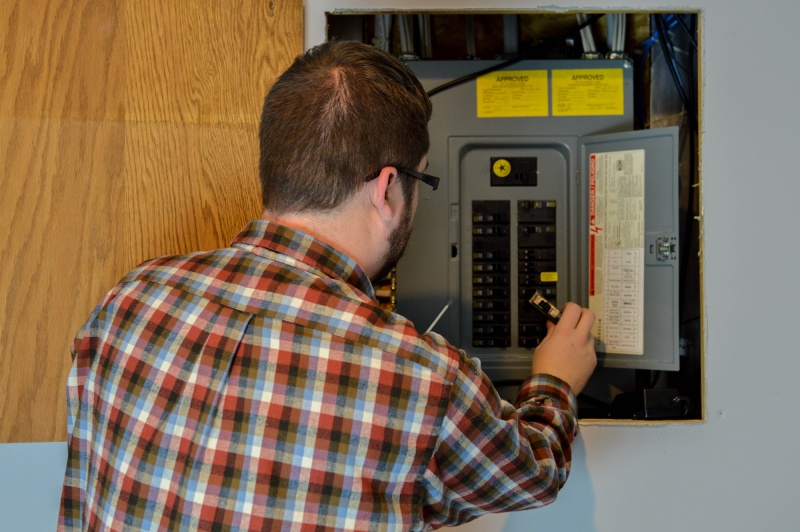
An electrical panel works as a switching station for the electrical system in your house. The electricity from the main electrical line enters your home through the panel, which divides the current into the various circuits. The panel also serves to protect the electrical system from damage by tripping circuit breakers in case of voltage spikes.
Even though the electrical panel is an essential part of your house, you probably only really think about it when you need to reset a breaker. Most likely you haven’t considered that your electrical panel has a limited service life. It does! You don’t want to have an outdated, unreliable, possibly dangerous electrical panel in your home.
We’re pros when it comes to residential electrical wiring in Yakima, WA so we can give you advice about when it’s time for a new panel.
When Should You Replace Your Electrical Panel?
Most home electrical panels last about 25 to 40 years, but replacement may be needed sooner if you notice these issues:
- Your panel is over 25 years old
- Circuit breakers trip frequently
- Lights flicker or dim unexpectedly
- You smell burning or see scorch marks near the panel
- The panel uses outdated or recalled equipment
- You’re planning renovations or adding high-powered devices
Upgrading your panel ensures safety, prevents power issues, and prepares your home for modern electrical demands.
How Long Electrical Panels Last—And When to Replace Them
How long does the average electrical panel last? These are durable devices—they have to be—so you can expect your panel to last for at least 25 years. Some panels can even last up to 40 years, but we’re going to explain a bit below why pushing that far isn’t the best idea. If you inherited your current electrical panel when you moved into your house, make sure to check its age: you’ll find manufacturing information on the inside of the panel lid or on the panel itself. If you’ve got a panel that’s far past 25, it’s time for a new one.
Is Your Panel Struggling with Modern Electrical Demands?
The amount of electricity we use in our homes has increased significantly over the past decade and a half. If you have an older electrical panel, it may no longer be rated for your home’s electrical load. If you notice that tripped circuit breakers are becoming more frequent, or you often see flickering from the lights in your house, it may be that the panel doesn’t have the capacity necessary. You can have our electricians examine your electrical system and determine if a panel upgrade is required to keep up with modern electrical demand.
Should You Replace a Fuse Box with a Breaker Panel?
Older homes may still have a fuse box rather than a breaker box. The difference between the two is that a fuse box doesn’t have circuit breakers. When there’s too much voltage, the fuse melts and must be replaced. If your house is old enough to still use a fuse box, we recommend you have it upgraded to a panel as soon as possible. Fuse boxes are not reliable and safe with current electrical standards.
Why You Should Replace a Federal Pacific Panel Immediately
This is a specific case, but it’s important for you to know about it. Federal Pacific is a brand of electrical panel that was installed in millions of homes up until the 1990s. These panels have a much higher rate of failure (breakers not tripping when they should) and can be dangerous. Although these panels were never officially recalled, all electricians recommend replacing them. If you see the words “STAB-LOK” over the circuit breakers in your panel, then you’ve got a Federal Pacific panel.
Frequently Asked Questions
Question: How long does an electrical panel typically last?
Answer: Most electrical panels are built to last around 25 years, though some can reach up to 40. If a panel is significantly older than 25 years, it’s generally a good idea to consider a replacement before age-related wear or outdated design becomes unsafe.
Question: What are signs that my electrical panel needs to be replaced?
Answer: Frequent tripped circuit breakers and lights that flicker or dim are common signs your panel may not handle your modern electrical load. These issues suggest the panel may be outdated or overburdened by current household demands.
Question: Why are older fuse boxes a concern?
Answer: Older homes may still have fuse boxes instead of circuit breaker panels. Fuse boxes require replacing blown fuses manually and lack modern safety features, making them less reliable and less safe by today’s electrical standards.
Question: Should I replace a panel from a known unsafe brand?
Answer: Yes. Panels made by brands like Federal Pacific (e.g., STAB-LOK) are known to have higher failure rates, where breakers may not trip as they should. Replacing such panels improves safety and reliability.
Question: Can an electrician help decide when to replace a panel?
Answer: Yes. A licensed electrician can inspect your system, evaluate whether the panel can handle your home’s electrical load, and advise if an upgrade or replacement is needed to meet modern requirements safely.
Call ThermAll Heating & Cooling, Inc: We are “Your Home Comfort Hero!”