
When people think about HVAC maintenance, they often focus on replacing air filters or scheduling seasonal tune-ups. While those steps are essential, another important part of the system is often overlooked—the ductwork. Your air ducts are responsible for distributing heated and cooled air throughout your home, and when they become clogged with dust and debris, the entire HVAC system must work harder to maintain comfort.
Dirty ducts can affect airflow, system efficiency, and indoor air quality. Understanding how dust buildup impacts your HVAC system helps explain why keeping ductwork clean plays an important role in overall home comfort.
How Dust Builds Up in Ductwork
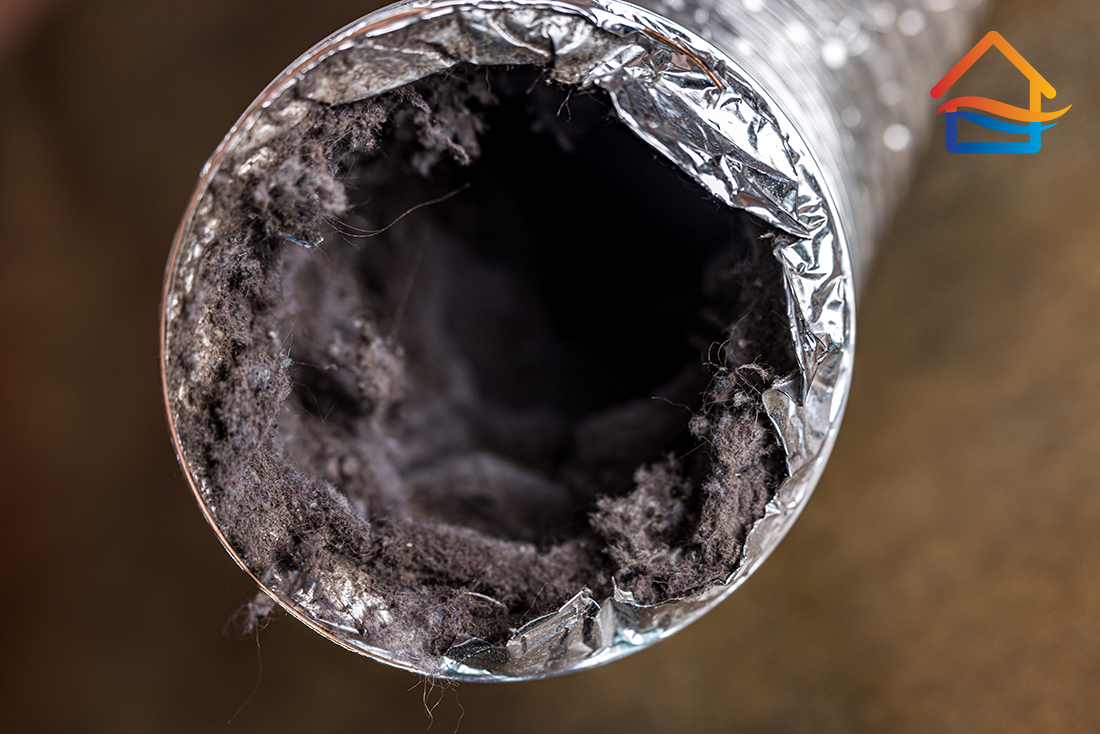
Your HVAC system circulates air through your home multiple times a day. During this process, dust, pollen, pet dander, and other airborne particles travel through the duct system. Over time, layers of dust can collect along the interior walls of the ductwork.
Debris may also gather in bends, corners, and near vents where airflow naturally slows. Because duct systems are hidden behind walls and ceilings, this buildup can grow unnoticed until it begins to impact airflow and performance.
How Dirty Ducts Restrict Airflow
Your HVAC system is designed to move a specific volume of air through the duct network. When dust and debris build up, they reduce the available space inside the ducts, making it harder for air to pass through.
Restricted airflow can lead to uneven temperatures throughout the home. Some rooms may feel warmer or cooler than others, and the system may need to run longer to reach the desired temperature.
When airflow is limited, the blower motor and other components must work harder to push air through the system. Over time, this extra strain can contribute to increased wear on equipment.
Reduced Efficiency and Increased Energy Use
Airflow restrictions caused by dirty ducts can also affect HVAC efficiency. When air cannot move freely through the ductwork, the system often runs longer cycles to maintain indoor comfort.
Longer run times mean more energy is used to achieve the same heating or cooling results. Even small airflow restrictions can gradually affect system performance, especially during seasons when the HVAC system runs more frequently.
The Connection Between Ducts and Indoor Air Quality
Dust buildup inside ducts not only affects system performance—it can also influence indoor air quality. When conditioned air travels through dusty ductwork, particles can be pushed back into living spaces through vents.
This may lead to noticeable dust near registers or increased airborne particles circulating through the home. Cleaner ducts help reduce the amount of dust that re-enters the indoor environment.
Professional Inspection Can Help
If your HVAC system seems to run longer than usual, certain rooms feel unevenly heated or cooled, or dust collects quickly around vents, your ductwork may need attention.
A professional inspection can identify airflow restrictions, dust buildup, or other issues within the duct system. Addressing these concerns can help restore proper airflow and improve overall system performance.
Keeping ducts clean allows your HVAC system to operate more efficiently while supporting better indoor air quality and consistent comfort.
Call ThermAll Heating & Cooling, Inc: We are “Your Home Comfort Hero!”