
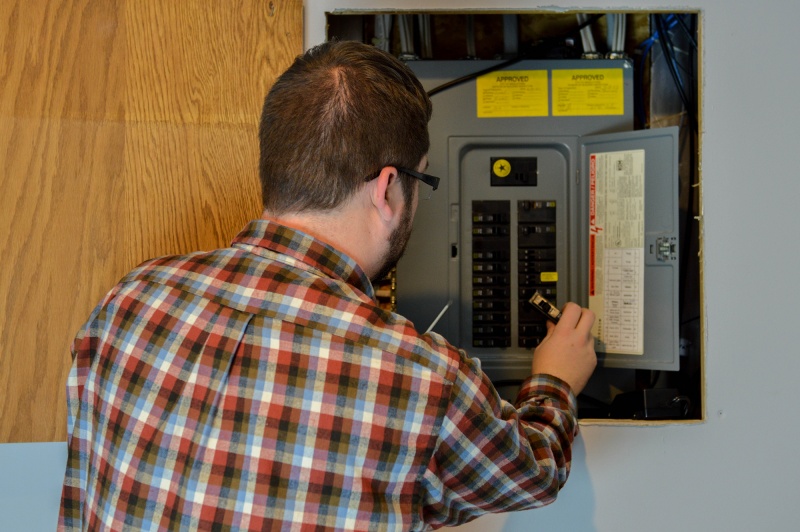
Think of the electrical panel in your home as a “central switching station” for all the electricity flowing through the wires in your house. The current from the grid enters the panel, where it divides into the different circuits that spread to outlets, light fixtures, and hardwired appliances. This panel needs to be in top shape and up-to-date to handle a home’s electrical load or else it will result in electrical problems and possibly safety hazards.
Is your house due for an electrical panel upgrade in Ellensburg, WA? It’s a good question, and we’ll explore it more below.
Should You Upgrade Your Home’s Electrical Panel?
Upgrading your electrical panel helps ensure safety, meets modern power needs, and prevents electrical problems. Consider an upgrade if any of these apply:
- Your panel is older than about 25–40 years or still uses an outdated fuse box.
- You notice frequent circuit breaker trips or lights that flicker or dim during use.
- The panel shows damage like scorch marks or corrosion.
- Your home can’t reliably run modern appliances, high‑power devices, or you’re planning renovations.
- The existing panel can’t handle increased electrical demand from additions like EV chargers or HVAC upgrades.
A modern panel increases capacity, improves safety, and supports today’s electrical loads more effectively.
How Old is Too Old? Assessing Your Panel’s Lifespan
The general service life expectancy of an electrical panel is 25–40 years, although in practice it usually comes in on the lower side (for reasons we’ll discuss more below). If you live in a house that was built in the 1980s and still has its same electrical panel, we strongly recommend that you call for electricians to look into making an upgrade—the panel is too old and likely not current with modern electrical demands.
Still Using a Fuse Box? Here’s Why You Should Upgrade
If your home has a fuse box rather than a circuit breaker panel, we strongly recommend you have it replaced as soon as possible. Fuse boxes are not only inconvenient, since you have to replace a fuse each time one burns out, but in order to handle the higher electrical loads they need larger and larger fuses, which is a major safety risk.
Federal Pacific Panels: A Hidden Home Hazard
This is a specific type of panel that has been discontinued, but unfortunately it’s still found in many homes. These panels have a higher failure rate that can cause a breaker to malfunction and create fire hazards. You may have one in your house if it was built before 1990. They’re easy to identify: you’ll see “Federal Pacific” on the inside of the panel and the words “Stab-Lok” above the breakers. Please call for a panel upgrade as soon as possible if you have a Federal Pacific Electrical Panel.
Too Many Devices? Your Panel Might Be Underpowered
Although panels can potentially last for 40 years, the reason they often don’t make it to that age is because the electrical demands in homes keep increasing. Today’s homes have many more electrical devices than those of twenty years ago, even ten, and older panels often can’t handle this level of demand. If you’ve noticed issues with flickering lights in your home or continually tripping circuit breakers, then it’s likely your old electrical panel is out of date and needs an upgrade.
Damaged Electrical Panel? It Could Be Time to Replace
If your panel has had an electrical fire or you can see scorch and burn marks on it, then you need to have it replaced right away. A damaged panel is a major fire hazard. If you’re in doubt about the condition of your panel, you can call our electricians to examine it and give you an informed opinion.
Please, do not attempt to replace or repair a panel breaker on your own. This is absolutely not a do-it-yourself job. A house’s electrical system must meet the local electrical code or it will risk voiding the home insurance. It also creates a high risk of electrical shock and electrical fires. Leave these jobs to licensed electricians.
Frequently Asked Questions
Question: Why should I consider upgrading my home’s electrical panel?
Answer: Upgrading your electrical panel ensures it can safely handle your home’s electrical load. Modern homes have far more devices and power needs than older panels were designed for. An upgrade improves safety and prevents electrical problems.
Question: How long does an electrical panel usually last?
Answer: Electrical panels typically have a service life of about 25 to 40 years. Panels in homes from the 1980s or older may no longer meet current electrical demands and are strong candidates for replacement.
Question: What’s wrong with having a fuse box instead of a circuit breaker panel?
Answer: Fuse boxes are outdated and less safe than modern breaker panels. You must replace blown fuses manually, and larger fuses needed for higher loads can become a safety risk, making replacement advisable.
Question: Are there specific panel types that should be replaced?
Answer: Yes. Some discontinued panels, like certain models with known higher failure rates, can create fire hazards because breakers may not trip properly. These panels should be replaced for safety.
Question: What are signs that my electrical panel can’t handle current demands?
Answer: If you notice flickering lights or circuit breakers that trip frequently, it may indicate your panel is too small or outdated for modern electrical loads and needs an upgrade.
Call ThermAll Heating & Cooling, Inc: We are “Your Home Comfort Hero!”