
ThermAll Heating, Cooling & Electric Blog: Posts Tagged ‘Electrical Panel Upgrade’

Signs Your Electrical Panel Is Overloaded and Needs an Upgrade

Monday, August 11th, 2025

Your home’s electrical panel is like the brain of your entire electrical system. It’s responsible for safely distributing power to your appliances, lighting, HVAC system, and everything else that keeps your home comfortable and functional. Signs you need an electrical upgrade often appear when your current setup can’t keep up with modern energy use.

But just like other parts of your home, your electrical panel can wear out—or become too small to handle your modern power needs. An overloaded or outdated panel doesn’t just reduce performance—it can lead to serious safety risks, from frequently tripped breakers to overheating wires and fire hazards. When to replace electrical panel depends on age, usage, and system capacity. Here’s how to recognize the signs of electrical overload and why upgrading your panel is a smart, cost-saving decision in the long run.
Continue Reading

Should You Upgrade Your Home’s Electrical Panel?

Monday, May 22nd, 2023
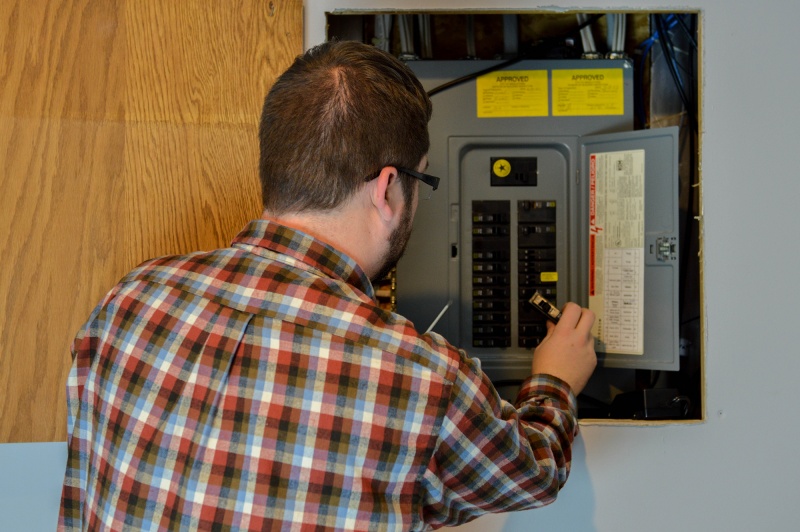
Man working on a circuit breaker box during electrical panel replacement.

Think of the electrical panel in your home as a “central switching station” for all the electricity flowing through the wires in your house. The current from the grid enters the panel, where it divides into the different circuits that spread to outlets, light fixtures, and hardwired appliances. This panel needs to be in top shape and up-to-date to handle a home’s electrical load or else it will result in electrical problems and possibly safety hazards.

Is your house due for an electrical panel upgrade in Ellensburg, WA? It’s a good question, and we’ll explore it more below.

Should You Upgrade Your Home’s Electrical Panel?

Upgrading your electrical panel helps ensure safety, meets modern power needs, and prevents electrical problems. Consider an upgrade if any of these apply:

  • Your panel is older than about 25–40 years or still uses an outdated fuse box.
  • You notice frequent circuit breaker trips or lights that flicker or dim during use.
  • The panel shows damage like scorch marks or corrosion.
  • Your home can’t reliably run modern appliances, high‑power devices, or you’re planning renovations.
  • The existing panel can’t handle increased electrical demand from additions like EV chargers or HVAC upgrades.

A modern panel increases capacity, improves safety, and supports today’s electrical loads more effectively.

Continue Reading