If you have a natural gas furnace providing your home with heat, you probably know that there is some potential for dangerous carbon monoxide gas exposure. This is something that’s true of any home appliance that combusts natural gas, not just gas furnaces. Carbon monoxide (CO) is a byproduct of the combustion process, a colorless, odorless, and toxic gas that creates health complications and can even cause death with extended exposure. To stay safe, it’s essential to understand why carbon monoxide detectors matter.
Gas furnaces aren’t inherently unsafe—they would never be permitted in homes if they were—so you don’t need to panic about having a gas furnace in your house. But you must take several precautions to ensure the furnace runs safely and that you and your family have ample warning in case CO leaks into the home. One of these precautions is to have routine carbon monoxide air testing.
Carbon Monoxide Testing: A Furnace Safety Essential
- Carbon monoxide is a colorless, odorless gas that can leak from furnaces with damaged heat exchangers or blocked vents
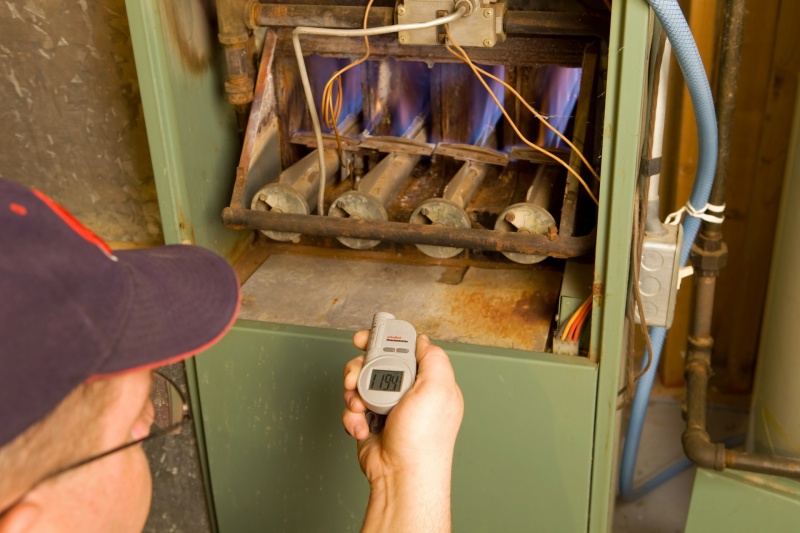
- Regular testing ensures the furnace is safely exhausting combustion gases and not leaking CO into your home
- Installing and checking carbon monoxide detectors adds a layer of protection against undetected gas leaks
- Annual furnace inspections help identify and fix CO risks before they become hazardous